
Why Buying Farm-Direct Is the Future of Food in America
The Changing Relationship Between Consumers and Food
Over the last decade, Americans have begun to ask deeper questions about the food they consume. Where did it come from? Who produced it? How was it handled, raised, or grown? These questions are not trends—they represent a fundamental shift in consumer behavior.
For much of the 20th century, food systems prioritized scale, efficiency, and uniformity. While these systems made food widely accessible, they often did so at the cost of transparency and connection. Today’s buyers want more than convenience. They want trust.
Buying farm-direct is emerging as a solution that reconnects consumers with producers while restoring transparency to the food system.
What “Farm-Direct” Really Means
Farm-direct purchasing refers to buying agricultural goods—such as produce, livestock, dairy, or specialty farm products—directly from the producer rather than through multiple intermediaries.
This does not necessarily mean in-person transactions. Modern farm-direct commerce often happens online, allowing buyers to discover farms beyond their immediate area while still engaging directly with sellers.
Marketplaces like AGRORION make this model scalable by providing the digital infrastructure while preserving the independence of both buyers and sellers.
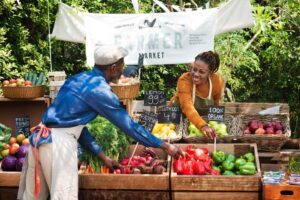
Why Consumers Are Choosing Farm-Direct
1. Transparency and Trust
Farm-direct purchasing allows buyers to learn who produced their food and how. Instead of relying solely on packaging claims, consumers can review seller profiles, ask questions, and make informed decisions.
2. Fresher Products
Shorter supply chains often mean less time between harvest or processing and delivery. This can result in better flavor, longer shelf life, and improved nutritional quality.
3. Supporting Independent Farms
When buyers purchase directly from producers, more of the purchase price stays with the farm. This supports local and regional agriculture while reducing dependency on large intermediaries.
4. Ethical and Environmental Considerations
Many consumers value sustainability, responsible land stewardship, and humane livestock practices. Farm-direct platforms allow buyers to seek out producers who align with these values.
The Role of Technology in Farm-Direct Growth
Technology has played a critical role in making farm-direct commerce accessible at scale. Online marketplaces allow farmers to list products, manage inventory, and communicate with buyers without needing to build their own complex ecommerce systems.
At the same time, buyers gain access to search tools, filters, and location-based discovery that were not possible in traditional farmers markets.
AGRORION’s role as a technology platform is to support these connections—not to replace the relationship between buyer and seller.
Addressing Common Concerns
Some consumers worry that buying farm-direct may be complicated or risky. However, education and transparency reduce uncertainty.
Buyers should:
Read seller descriptions carefully
Understand delivery or pickup arrangements
Review seller refund policies
Handle food products properly after delivery
Platforms that prioritize clear disclosures and communication help foster confidence without assuming responsibility for the underlying transaction.
The Future of Food Is Personal Again
As consumer expectations continue to evolve, farm-direct purchasing is no longer niche. It represents a return to a more personal, accountable food system—supported by modern technology.
AGRORION exists to support this future by enabling discovery, connection, and choice while respecting the independence of farmers and buyers alike.
